


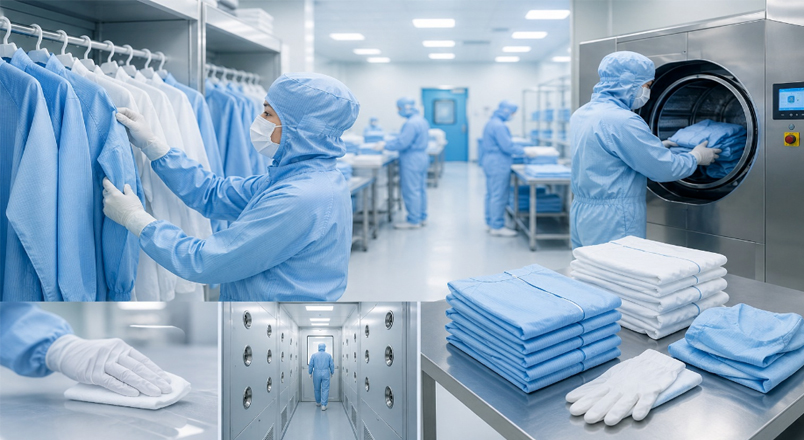
Cleanroom Workwear & Disposable Garments for Pharmaceutical, Healthcare, and Regulated Manufacturing Industries
Maintaining contamination-controlled environments requires more than advanced infrastructure and operational discipline. In regulated industries such as pharmaceuticals, biotechnology, healthcare, laboratories, and cleanroom manufacturing, protective garments play a critical role in supporting workplace hygiene and contamination prevention.
As industrial hygiene standards continue evolving, organizations are increasingly prioritizing professionally managed Cleanroom Workwear & Disposable Garments that support operational safety, garment traceability, and compliance-focused workflows.
Protective cleanroom garments are designed to help minimize contamination risks caused by particles generated through human movement, garment usage, and operational exposure. Properly managed workwear systems contribute toward maintaining cleaner operational environments while supporting product quality and workplace safety standards.
The Role of Cleanroom Workwear in Controlled Environments
Personnel working inside cleanroom environments are among the largest potential contamination sources within regulated operational areas. Even small particles released from clothing, skin, or external exposure may impact product integrity and contamination-control processes.
Because of this, cleanroom garments are designed to create an additional protective barrier between personnel and sensitive operational environments.
Professionally managed Cleanroom Workwear & Disposable Garments help industries maintain:
- Controlled workplace hygiene
- Reduced contamination exposure
- Organized garment lifecycle management
- Improved operational consistency
- Better compliance-focused workflows
These garments are especially important in environments operating under strict hygiene and contamination-control standards where maintaining cleanliness is directly linked to operational quality.
Supporting GMP Compliance Through Cleanroom Garments
In regulated manufacturing environments, compliance with hygiene protocols and contamination-control practices remains a major operational priority.
According to GMP-focused operational guidelines, personnel entering controlled production environments are required to wear properly maintained protective garments, including appropriate cleanroom apparel and eye protection.
Improper garment handling or inconsistent hygiene practices may increase contamination risks inside operational environments.
This is why industries increasingly depend on GMP compliant cleanroom garments that support structured hygiene systems and contamination-sensitive operational workflows.
Proper garment management helps organizations maintain consistency in cleanroom operations while supporting workplace safety and contamination-control objectives.
Disposable Garments and Contamination Prevention
Disposable garments are commonly used in contamination-sensitive environments where single-use protective apparel helps reduce operational exposure risks.
These garments are designed to support controlled handling practices and improve workflow hygiene in environments requiring strict contamination prevention systems.
Industries using disposable cleanroom apparel often focus on:
- Reducing cross-contamination risks
- Supporting hygienic operational handling
- Improving garment replacement efficiency
- Maintaining controlled workplace cleanliness
The growing importance of workplace hygiene continues to increase demand for reliable sterilized protective garments India solutions across regulated industrial sectors.
Disposable garments also support operational convenience by simplifying garment distribution and contamination-sensitive workflow management.
Garment Traceability and RFID-Based Tracking Systems
Modern cleanroom garment management increasingly relies on organized garment tracking systems that help industries monitor garment movement, usage cycles, and replacement schedules more effectively.
RFID-enabled garment tracking systems improve visibility throughout the garment lifecycle and support better operational organization.
Garment traceability systems can help businesses:
- Monitor garment usage cycles
- Improve inventory visibility
- Manage garment replacement planning
- Maintain organized workflow tracking
- Support process transparency
Industries increasingly prefer RFID garment tracking solutions because they improve garment management efficiency while supporting contamination-control operations.
Structured traceability systems also contribute toward more disciplined garment lifecycle management across contamination-sensitive environments.
Importance of Validated Garment Processing
Cleanroom garments require controlled processing systems designed to maintain garment integrity and hygiene standards throughout repeated usage cycles.
Validated laundering and decontamination processes help support garment cleanliness while reducing contamination exposure during garment handling and operational use.
Professional garment management systems focus on:
- Controlled washing workflows
- Hygienic garment drying systems
- Organized inspection procedures
- Contamination-sensitive folding and packaging
- Structured transportation and delivery handling
These workflows help industries maintain cleaner operational environments while supporting garment hygiene consistency across facilities.
Organizations searching for dependable cleanroom contamination control apparel solutions increasingly prioritize structured garment processing systems capable of supporting regulated operational requirements.
Eye Protection and Cleanroom Safety
Eye protection is another important component of cleanroom contamination control and workplace safety management.
Cleanroom goggles used in contamination-sensitive environments are designed to support visibility, comfort, and operational hygiene requirements. Features such as anti-fog coatings, wide visibility designs, and sterilization compatibility contribute toward safer and more efficient workplace operations.
Professionally managed cleanroom protective equipment helps industries maintain compliance-focused operational practices while supporting contamination prevention objectives.
Comfortable and reusable protective equipment also supports longer operational usage cycles and improved workplace efficiency.
Sustainable Workwear Management Practices
Modern industries are increasingly focusing on sustainability alongside operational hygiene and contamination control.
Reusable cleanroom garments and protective equipment can contribute toward reducing unnecessary waste generation and supporting more responsible operational practices when managed through structured lifecycle systems.
Proper garment tracking, planned replacement cycles, and controlled processing workflows help improve product lifespan and operational efficiency.
Sustainable garment management practices also support industries aiming to optimize resource usage while maintaining contamination-control standards.
As organizations continue prioritizing environmental responsibility, professionally managed Cleanroom Workwear & Disposable Garments systems are becoming an important part of long-term operational planning.
Distribution, Handling, and Transportation
Maintaining garment hygiene extends beyond garment processing alone. Transportation, packaging, and distribution workflows also play an important role in contamination-control management.
Closed-container transportation systems and controlled garment handling procedures help maintain cleanliness standards during movement between processing facilities and operational sites.
Professional garment management systems may also include:
- Organized garment collection services
- Controlled transportation workflows
- Internal garment distribution support
- Structured delivery and pickup coordination
Such operational systems help improve workflow efficiency while supporting contamination-sensitive garment handling practices.
Building Long-Term Hygiene Standards
As industrial hygiene standards continue evolving, organizations are increasingly viewing garment management as a strategic operational requirement rather than a basic support function.
Professionally managed garment systems contribute toward:
- Better contamination prevention support
- Improved workplace hygiene
- Organized operational workflows
- Enhanced garment lifecycle management
- More reliable cleanroom practices
This growing focus on contamination-sensitive operations continues to increase the importance of reliable cleanroom workwear and disposable garment management systems across regulated industries.
Conclusion
Maintaining contamination-controlled operational environments requires disciplined hygiene systems, structured garment handling workflows, and professionally managed protective apparel solutions.
Properly managed Cleanroom Workwear & Disposable Garments support workplace hygiene, contamination prevention, operational consistency, and compliance-focused cleanroom practices across regulated industries.
From validated garment processing and RFID-based traceability to contamination-sensitive handling and controlled transportation systems, modern garment management practices play an important role in supporting safer and cleaner industrial environments.
As industries continue prioritizing operational hygiene and contamination control, the demand for reliable cleanroom garment management systems will continue to grow across modern industrial sectors.