


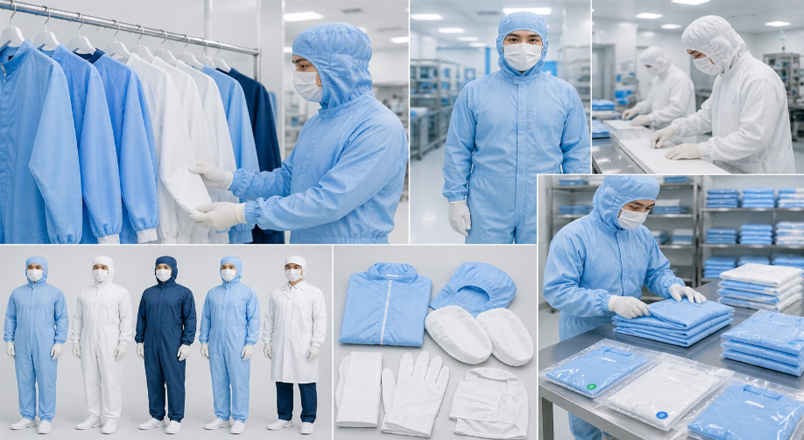
Maintaining Workplace Hygiene Through Advanced Cleanroom Garment Management Services
Industries operating in contamination-controlled environments require highly organized hygiene systems to maintain workplace cleanliness, operational consistency, and product safety. Sectors such as pharmaceuticals, biotechnology, healthcare, laboratories, semiconductor manufacturing, and cleanroom production facilities depend heavily on disciplined contamination-control practices where garment hygiene plays a critical role.
As industrial hygiene standards continue evolving, businesses are increasingly focusing on professional cleanroom garment management services that support contamination-sensitive workflows and structured garment lifecycle management.
Cleanroom garments are not standard industrial uniforms. These garments are part of a contamination-control system designed to help reduce particle exposure, maintain workplace hygiene, and support regulated operational environments. Proper garment handling, processing, storage, and tracking are essential to maintaining cleanroom standards and operational reliability.
Why Cleanroom Garment Management Matters
Personnel working inside controlled environments are one of the largest sources of contamination risk. Garments used in cleanrooms continuously interact with operational environments where maintaining cleanliness is critical for both workplace safety and product quality.
Improper garment handling or inconsistent hygiene practices can compromise contamination-control processes and affect operational performance.
This is why organizations increasingly rely on professionally managed cleanroom garment lifecycle management systems that help maintain garment hygiene and operational consistency throughout the garment usage cycle.
Professional garment management includes more than laundering alone. It involves complete control over garment handling, tracking, washing, inspection, packaging, transportation, and replacement planning.
A structured garment management system helps businesses maintain cleaner operational environments while reducing contamination-related operational risks.
The Role of Garment Lifecycle Management
Modern cleanroom operations require garments to move through multiple controlled stages before returning to operational use. Every stage must support contamination-sensitive handling and hygiene-focused workflows.
Professional garment lifecycle management generally includes:
- Garment procurement and allocation
- Controlled garment collection systems
- Segregated garment processing
- Industrial washing and hygienic drying
- Garment inspection and quality verification
- Hygienic folding and packaging
- Delivery and redistribution management
- Garment tracking and replacement planning
Steri Professional supports these operational requirements through structured garment management systems designed for contamination-controlled industries.
Organizations searching for dependable industrial cleanroom garment services increasingly prioritize providers capable of managing complete garment workflows through disciplined operational systems.
Contamination-Controlled Garment Processing
One of the most important components of cleanroom garment management is contamination-controlled processing.
Garments used in regulated environments require carefully managed washing and handling procedures to maintain cleanliness standards and garment integrity throughout repeated operational cycles.
Controlled garment processing systems help industries maintain:
- Better contamination prevention support
- Improved garment hygiene consistency
- Organized operational workflows
- Reduced contamination exposure during handling
- More reliable garment distribution systems
Steri Professional processes garments in controlled environments using industrial washing systems and hygienic handling procedures designed to support cleanroom operations.
The growing demand for reliable contamination-controlled garment solutions reflects the increasing importance of structured hygiene management systems across regulated industries.
Hygienic Packaging and Distribution Systems
Cleanroom garment hygiene extends beyond garment processing alone. Packaging and transportation workflows also play an important role in contamination prevention and operational cleanliness.
Properly cleaned garments can still face contamination exposure if packaging and handling procedures are not managed carefully.
To maintain garment integrity, professional garment management systems include hygienic folding, contamination-sensitive packaging, and organized transportation workflows designed to support workplace hygiene standards.
Steri Professional follows hygienic bag packaging systems and organized delivery coordination to help maintain garment cleanliness throughout the operational cycle.
Controlled transportation systems also help improve workflow organization and operational efficiency for industries handling large garment volumes daily.
RFID-Based Garment Tracking and Visibility
Modern cleanroom operations increasingly rely on technology-driven garment management systems to improve process visibility and garment traceability.
RFID-enabled garment tracking systems help organizations monitor garment movement, usage cycles, and replacement schedules more effectively.
Structured garment tracking systems help improve:
- Inventory visibility
- Garment lifecycle monitoring
- Replacement planning
- Workflow transparency
- Operational accountability
Industries increasingly prioritize RFID garment tracking cleanroom systems because they support organized garment circulation and better process management within contamination-sensitive environments.
Technology-driven garment management also contributes toward more efficient operational planning and improved hygiene coordination across facilities.
Supporting Compliance-Focused Operations
Industries operating in regulated environments require disciplined hygiene systems capable of supporting operational compliance and contamination-control objectives.
Cleanroom garment management plays an important role in supporting these operational standards by ensuring garments are processed, handled, and distributed through controlled workflows.
Proper garment handling systems help organizations maintain:
- Workplace hygiene consistency
- Organized contamination-control practices
- Reliable operational workflows
- Improved garment cleanliness management
- Structured hygiene-focused operations
Professional cleanroom garment management services help industries align garment operations with contamination-sensitive workplace requirements and operational quality expectations.
Sustainability and Responsible Garment Management
Modern industrial operations are increasingly focusing on sustainability alongside hygiene and contamination prevention.
Reusable garment systems, organized lifecycle management, and controlled replacement planning help industries improve resource efficiency while maintaining workplace cleanliness standards.
Structured garment management systems contribute toward:
- Better garment utilization
- Reduced operational waste
- Improved garment lifespan management
- More responsible workflow planning
By maintaining organized garment lifecycle systems, industries can improve both operational efficiency and sustainability-focused garment management practices.
The Importance of Operational Consistency
Consistency is one of the most important factors in contamination-sensitive garment operations.
Industries require predictable hygiene standards, reliable garment circulation systems, and disciplined operational workflows to maintain cleanroom performance effectively.
Professional garment management services help businesses reduce inconsistencies in garment handling while supporting organized operational systems capable of maintaining workplace hygiene standards across departments and facilities.
The growing importance of contamination prevention continues to increase demand for dependable cleanroom garment management services across modern industrial sectors.
Conclusion
Maintaining contamination-controlled environments requires more than basic garment handling practices. Structured hygiene workflows, contamination-sensitive processing systems, organized garment lifecycle management, and technology-driven tracking solutions all contribute toward cleaner and safer industrial operations.
Professional cleanroom garment management systems help industries maintain workplace hygiene, contamination prevention, operational consistency, and organized garment circulation across regulated environments.
From hygienic packaging and controlled transportation to RFID-enabled garment tracking and contamination-focused processing, modern garment management services continue to play an important role in supporting industrial hygiene and cleanroom safety standards.